How your battery helped California during the October heat wave
By Team Haven | Nov 5, 2026
On one unusually hot October day, hundreds of Haven batteries worked together to support the electric grid. Here’s what happened during California’s 2026 Demand Side Grid Support (DSGS) season, and what it meant for your home.
This post is about Haven batteries in California that are enrolled in DSGS. Batteries in other programs, such as Westlight Energy’s Solar and Battery Savings Program, were not part of these events.
October 5: When electricity demand climbed
In early October 2026, Southern California experienced an intense heat wave. Downtown Los Angeles reached 104°F on October 5, setting a daily temperature record. Across the region, air conditioners worked overtime to keep homes comfortable.
When so many homes and businesses need electricity at the same time, California’s grid has to find enough power to meet that demand.
Read about the Southern California heat wave
At the same time, participating Haven batteries were working together to help.
Combined power delivered by participating Haven batteries
Enough power to meet the electricity demand of roughly 1,100 homes at once.
No change to customers’ daily routinesThe home comparison assumes approximately 2 kW of simultaneous demand per home. It is a power comparison, not a claim about how long those homes could be supplied.
How did all those batteries work together?
They participated through California’s Demand Side Grid Support (DSGS) program, created to help the state manage electricity demand during extreme conditions such as heat waves.
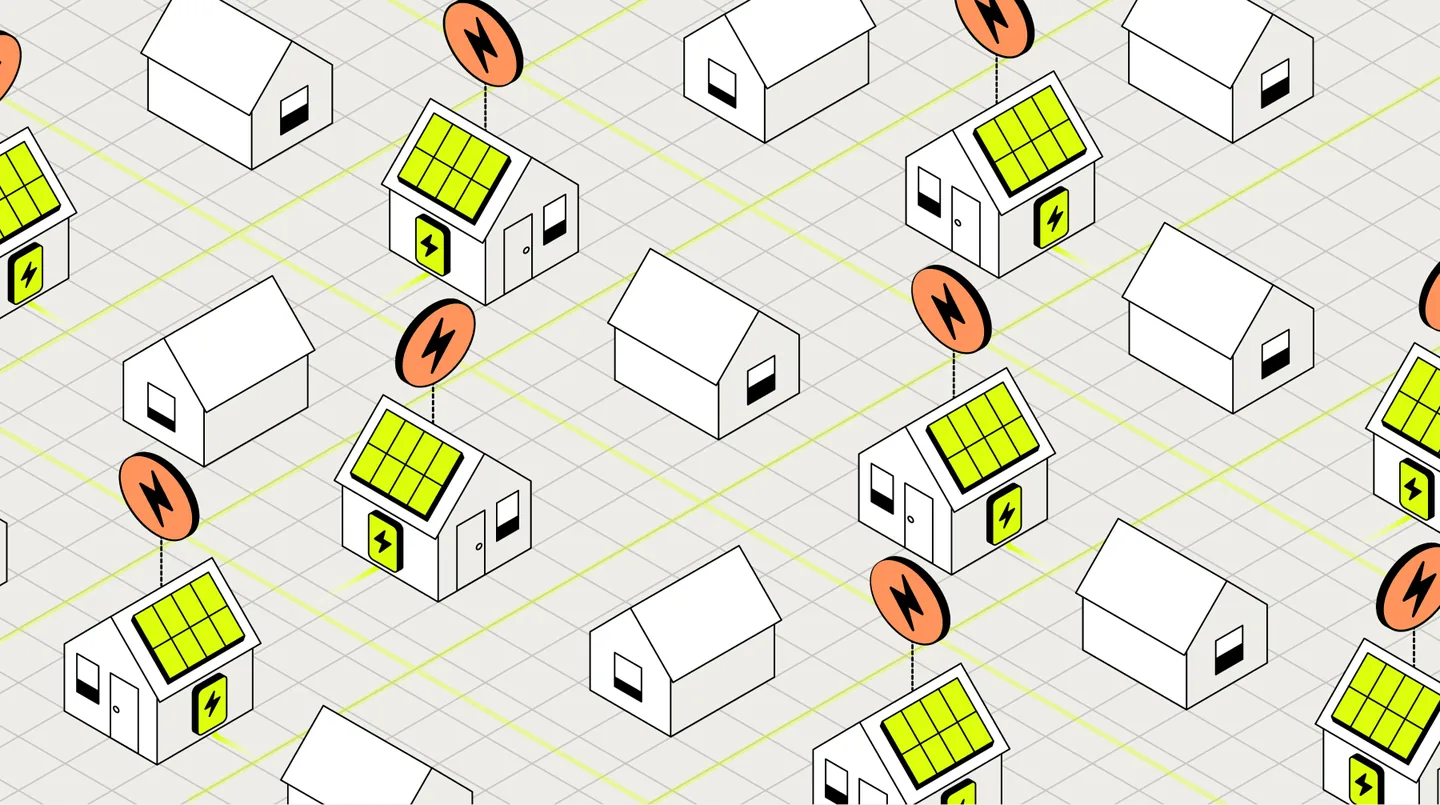
Instead of relying only on additional power plants, California can also call on flexible resources like home batteries. Haven coordinated participating systems automatically, allowing many smaller batteries to contribute together.
This kind of coordinated network is sometimes called a virtual power plant. Each battery makes a relatively small contribution; together, they can provide meaningful support.
Learn about DSGS from the California Energy Commission
What we accomplished together
What was happening to your battery?
During the 2026 DSGS season, Haven managed participation automatically. Here’s how a typical event worked.
Your battery prepared
Your battery could charge ahead of the event so stored electricity was available when needed.
It helped supply power
Depending on utility-approved settings, your battery could power your home, export electricity to the grid, or both.
Your reserve stayed protected
The system maintained its configured minimum backup reserve, even as the charge above that reserve could decrease.
It returned to normal
After the event, your battery returned to its normal operation and could recharge according to its settings.
What did you need to do?
Nothing. Participation was automatic. You could keep using your lights, appliances and air conditioning normally.
Actual charging, exporting and reserve behavior varies by system configuration, available charge and utility requirements.
What are natural gas “peaker plants”?
When electricity demand spikes, California can call on natural gas power plants to provide additional electricity. Some are known as peaker plants because they’re designed to run when demand is especially high. Other gas plants operate more regularly.
These are real facilities in communities across California. The map below shows three examples from different regions, not a list of plants confirmed to have operated during the October 5 event.
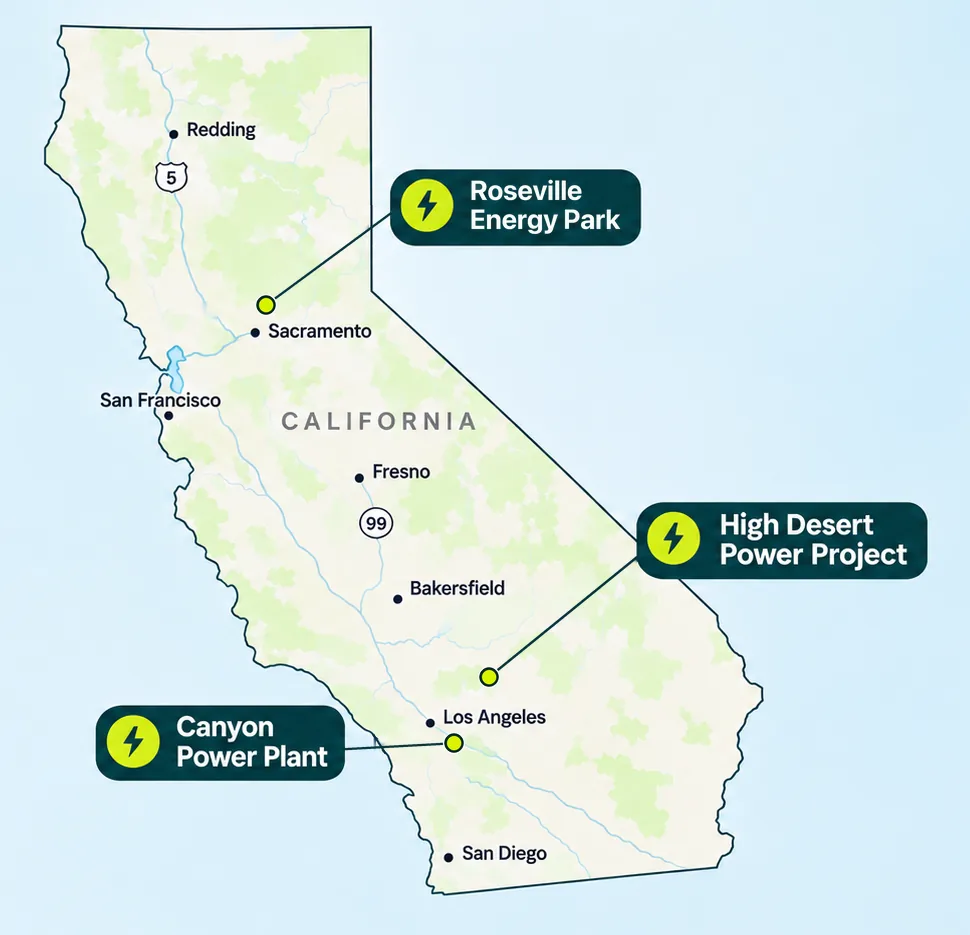
Map of California marking Roseville Energy Park near Sacramento, High Desert Power Project in Victorville and Canyon Power Plant in Anaheim. Locations are approximate.
Roseville Energy Park
A 160 MW natural gas plant owned by the City of Roseville, northeast of Sacramento. It is a combined-cycle plant rather than a peaker, built to run for long stretches.
High Desert Power Project
An 830 MW natural gas plant in Victorville. Unlike a peaker, it is built to run for long stretches.
Canyon Power Plant
A 200 MW natural gas peaking facility in Anaheim, designed to help supply electricity during high-demand periods.
Where do home batteries fit in?
Natural gas power plants can provide important support when demand is high. But burning gas also produces greenhouse gases and air pollution.
Home batteries offer another option: delivering electricity that has already been stored, without burning fuel as they discharge. When hundreds work together through programs like DSGS, they give California another resource to help manage peak demand.
That doesn’t mean Haven’s batteries caused any particular gas plant to shut down on October 5. The environmental impact depends on how batteries were charged and which electricity sources they replaced. The bigger opportunity is a grid with more flexible ways to meet demand.
What did DSGS mean for your home?
Did I need to do anything during an event?
No. Haven coordinated participation automatically. You didn’t need to change your thermostat or manually start or stop an event.
Was my backup power protected?
Your system maintained its configured minimum backup reserve. Battery charge above that reserve could decrease, and the amount of backup time available during an outage still depends on your charge level and home electricity use.
Did my battery send power to the grid?
It depends on your system’s utility-approved settings. Some batteries help by powering the home, some by exporting electricity, and some by doing both.
Why did my battery participate?
Your Haven agreement allows Haven to enroll your battery in grid support programs like DSGS. If your system received an SGIP incentive, enrolling in a demand response program is also a condition of that incentive.
Did I get paid for each DSGS event?
No. The DSGS program pays Haven as the operator of the battery group. That payment is part of how Haven offers your system at low or no upfront cost, so there is no separate payment to you for each event.
Will the same program operate next year?
Not necessarily. DSGS was the program used for this 2026 season. Future programs and participation requirements may differ, and Haven will share relevant updates.
Your battery is part of something bigger.
Your Haven battery is there to provide backup power for your home. During the 2026 DSGS season, it was also part of a network that helped California during periods of high electricity demand. Thank you for being part of it.