She already had solar. Adding a battery made it actually work for her.
By Team Haven | Apr 9, 2026
Anita didn't need a whole new system. She needed the missing piece – a battery she could pair with her existing solar panels to capture and store the energy she was already generating.
.jpeg&w=3840&q=75)
Vista is getting hotter. So are the bills.
Vista sits about 10 miles inland from the coast, which means it doesn't get the cooling ocean breeze that San Diego is known for. Summers here are real. Temperatures climb into the 90s, and in recent years, the heat has been arriving earlier and staying longer. Anita has noticed it. Like a lot of Vista homeowners, she's been watching the seasons shift and thinking about what that means for her home and her health.
She already had solar panels, which helped. Because she installed them six or seven years ago, she's on NEM 2.0, the older net metering structure that still credits exported solar at a solid rate. Homeowners who installed solar after April 2023 are under NEM 3.0, where export rates are much less favorable and a battery is practically a necessity from day one.
But even on NEM 2.0, solar alone has a real limitation: when the grid goes down – whether from a wildfire-related Public Safety Power Shutoff (PSPS), a heat-driven demand spike, or routine grid instability – so does the power at home, even when the sun is shining. And SDG&E customers, already paying some of the highest electricity rates in the country, know those outages aren't getting rarer.
Anita wanted more from the system she'd already invested in. She called Haven.
What Haven installed
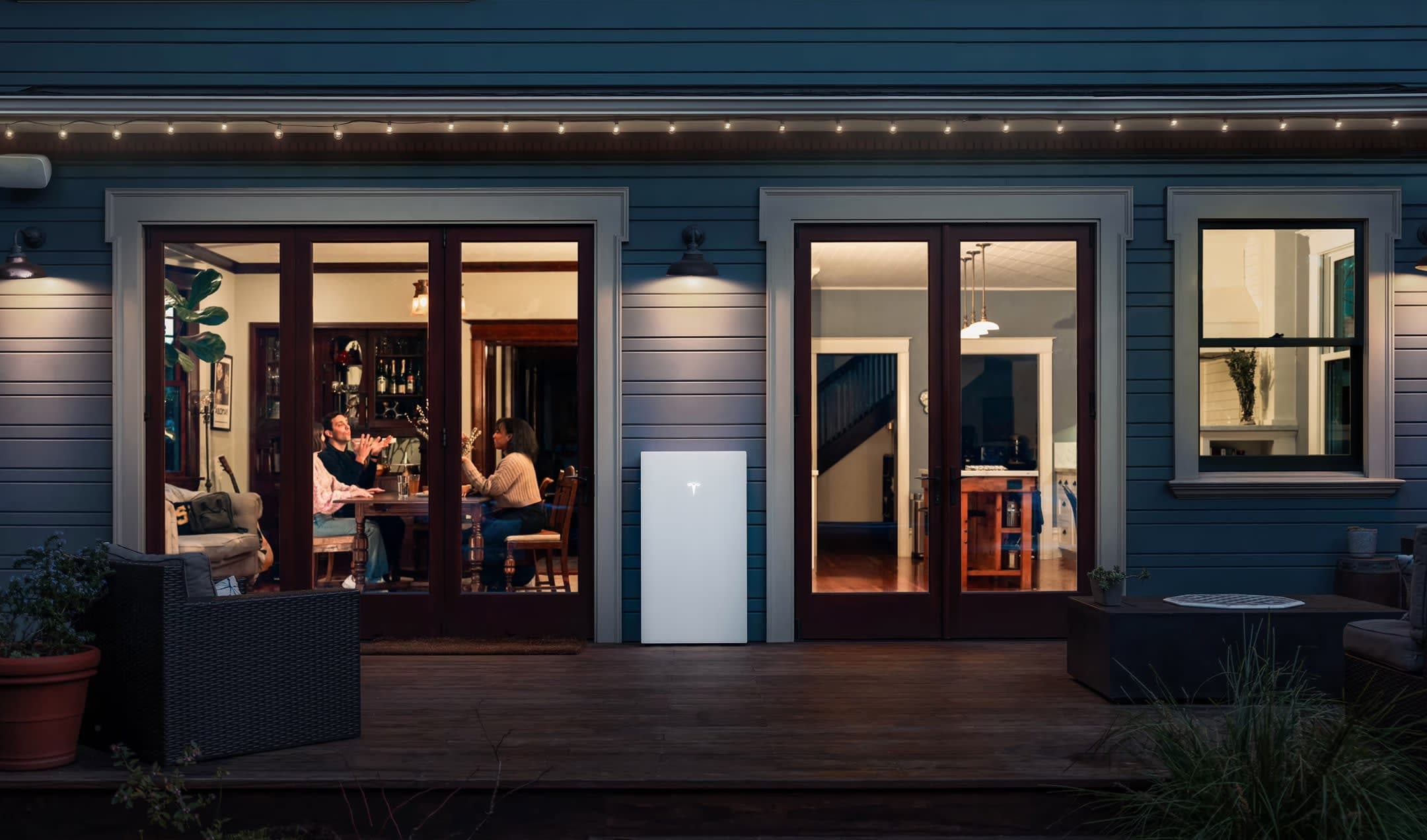
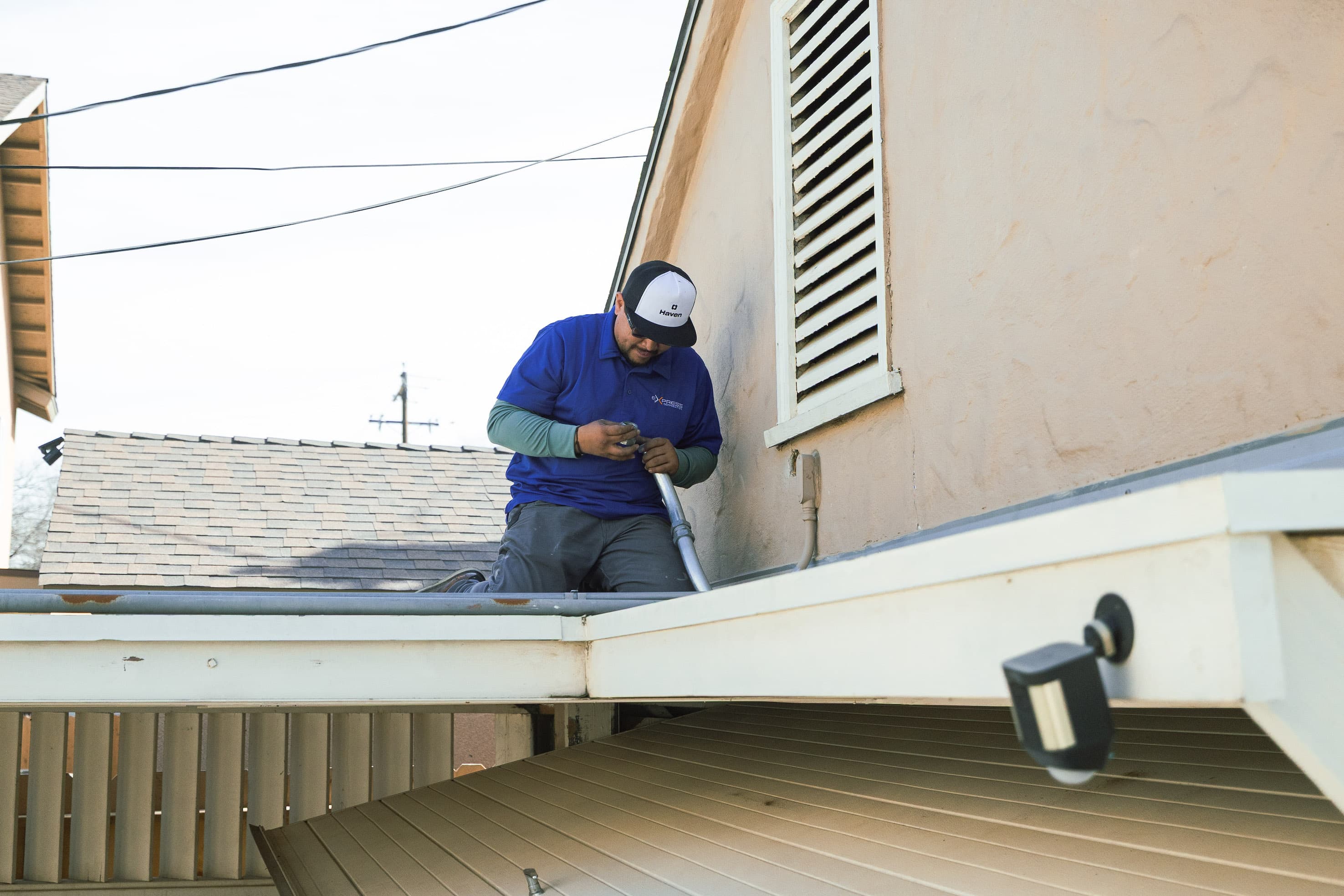
Anita didn't need a whole new system. She needed the missing piece. Haven came in with a battery retrofit: one Franklin whole-home battery, integrated with her existing solar panels to capture and store the energy she was already generating.
She also qualified for California's Self-Generation Incentive Program (SGIP), a state rebate that helped offset the upfront cost of adding storage.
What changed for Anita
With the Franklin battery in the mix, Anita has a new lever for getting the most out of her system: storing energy during peak production hours and drawing from the battery when grid rates are highest, rather than pulling from the utility. That time-of-use optimization is where the savings show up on the bill.
The result: roughly $50 less on her electricity bill every single month. That's $600 a year in real, recurring savings and it compounds as SDG&E rates continue to climb. The battery also gives her something harder to put a dollar figure on: the confidence that when a heat event hits and the grid buckles, her home stays powered.
For Anita, it wasn't about fixing a broken system. Her solar was already working. The battery just made it work smarter.
"With my new battery, I'm saving about $50 a month." – Anita H., Vista, CA